
Frédéric François Chopin (1810-1849)

Vincenzo Salvatore Carmelo Francesco Bellini (1801-1835)

Alphonse Daudet (1840-1897)

Honoré de Balzac (1799-1850)

Bleus ou noirs, tous aimés, tous beaux,
Des yeux sans nombre ont vu l'aurore.
Ils dorment au fond des tombeaux
Et le soleil se lève encore...
Les nuits plus douces que les jours
Ont enchanté des yeux sans nombre.
Les étoiles brillent toujours
Et les yeux se sont remplis d'ombre.
Oh ! Qu'ils aient perdu le regard
Non, non, cela n'est pas possible,
Ils se sont tournés quelque part
Vers ce qu'on nomme l'invisible.
Et comme les astres penchants
Nous quittent, mais au ciel demeurent
Les prunelles ont leur couchant
Mais il n'est pas vrai qu'elles meurent.
Bleus ou noirs, tous aimés, tous beaux,
Ouverts à quelqu'immense aurore
De l'autre côté des tombeaux
Les yeux qu'on ferme voient encore.
René François Armand (Sully) Prudhomme (1839-1907) - "Les yeux"

Oscar Fingal O'Flahertie Wills Wilde (1854 - 1900)

Jean-Baptiste Poquelin - Molière (1622-1673)

Jean de La Fontaine (1621-1695)

Henriette-Marie-Sarah Bernardt (1844-1923)


Édith Piaf (1915-1963)

Simone Signoret (1921-1985); Ivo Livi, Yves Montand (1921-1991)

Georges Moustaki, Giuseppe Mustacchi (1934-2013)

Jean-Auguste-Dominique Ingres (1780-1867)

Ferdinand Victor Eugène Delacroix (1798-1863)

Christian Friedrich Samuel Hahnemann (1755-1843)

"Healthy in body and mind, I end my life before pitiless old age which has taken from me my pleasures and joys one after another; and which has been stripping me of my physical and mental powers, can paralyse my energy and break my will, making me a burden to myself and to others. For some years I had promised myself not to live beyond 70; and I fixed the exact year for my departure from life. I prepared the method for the execution of our resolution, it was a hypodermic of cyanide acid. I die with the supreme joy of knowing that at some future time, the cause to which I have been devoted for forty-five years will triumph. Long live Communism! Long Live the Second International."
Jenny Laura Marx (1845-1911); Paul Lafargue (1842-1911)

The Communards’ Wall (Mur des Fédérés) at the Père Lachaise cemetery is where, on May 28, 1871, one-hundred and forty-seven fédérés, combatants of the Paris Commune, were shot and thrown in an open trench at the foot of the wall.

Yvan Salmon, Victor Noir (1848-1870)


Louis Auguste Blanqui (1805-1881)

Auguste Maquet (1813-1888)


Michel Petrucciani (1962-1999)

Francisco Largo Caballero (1869-1946)


Monument aux travailleurs municipaux de la Ville de Paris (1906)

Charles Auguste Louis Joseph Demorny/de Morny (1811-1865)


Leïlah Mahi (1894-1932)

Max Ernst (1891-1976)

Memorial to the Deportees to Oranienburg-Sachsenhausen
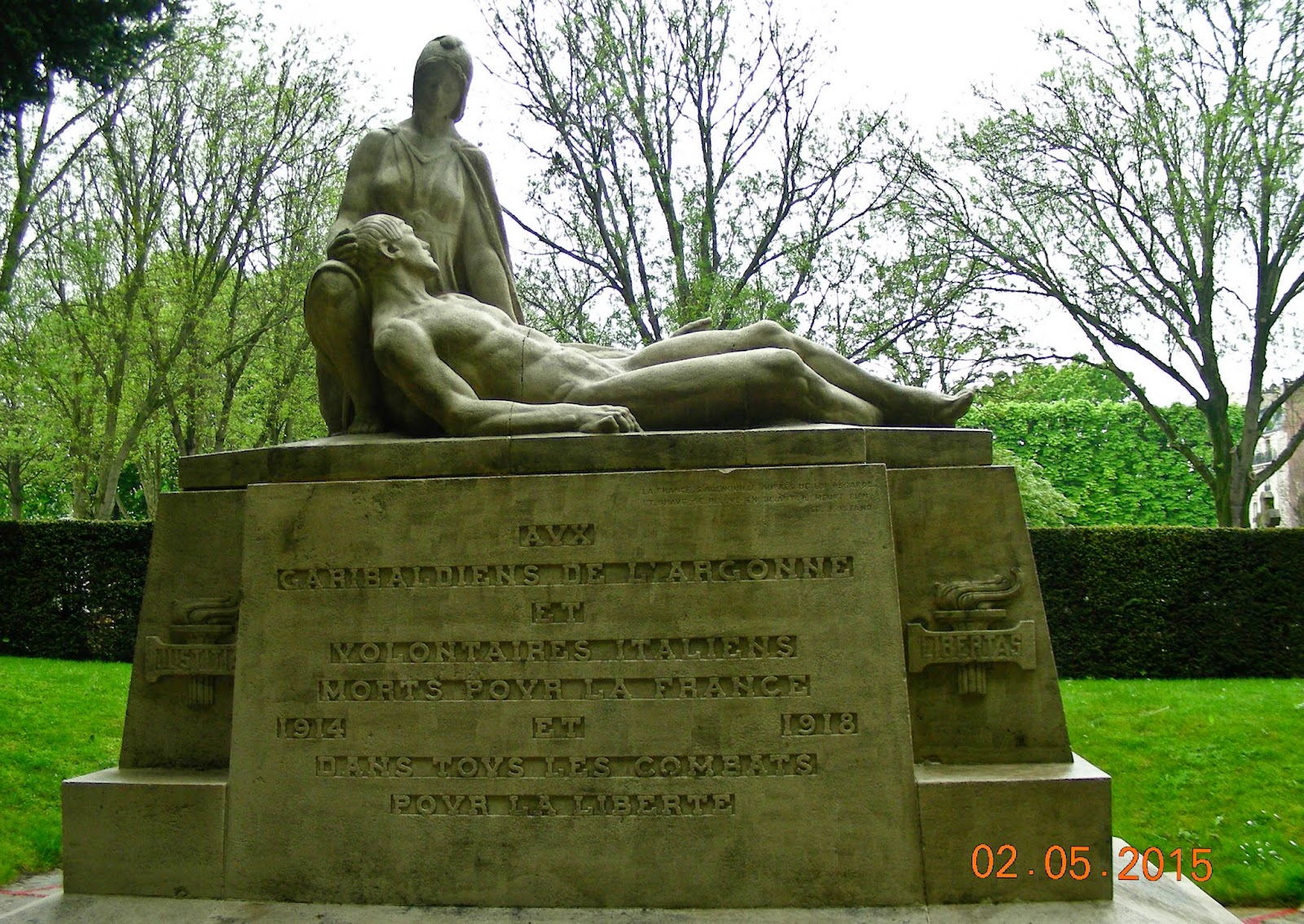


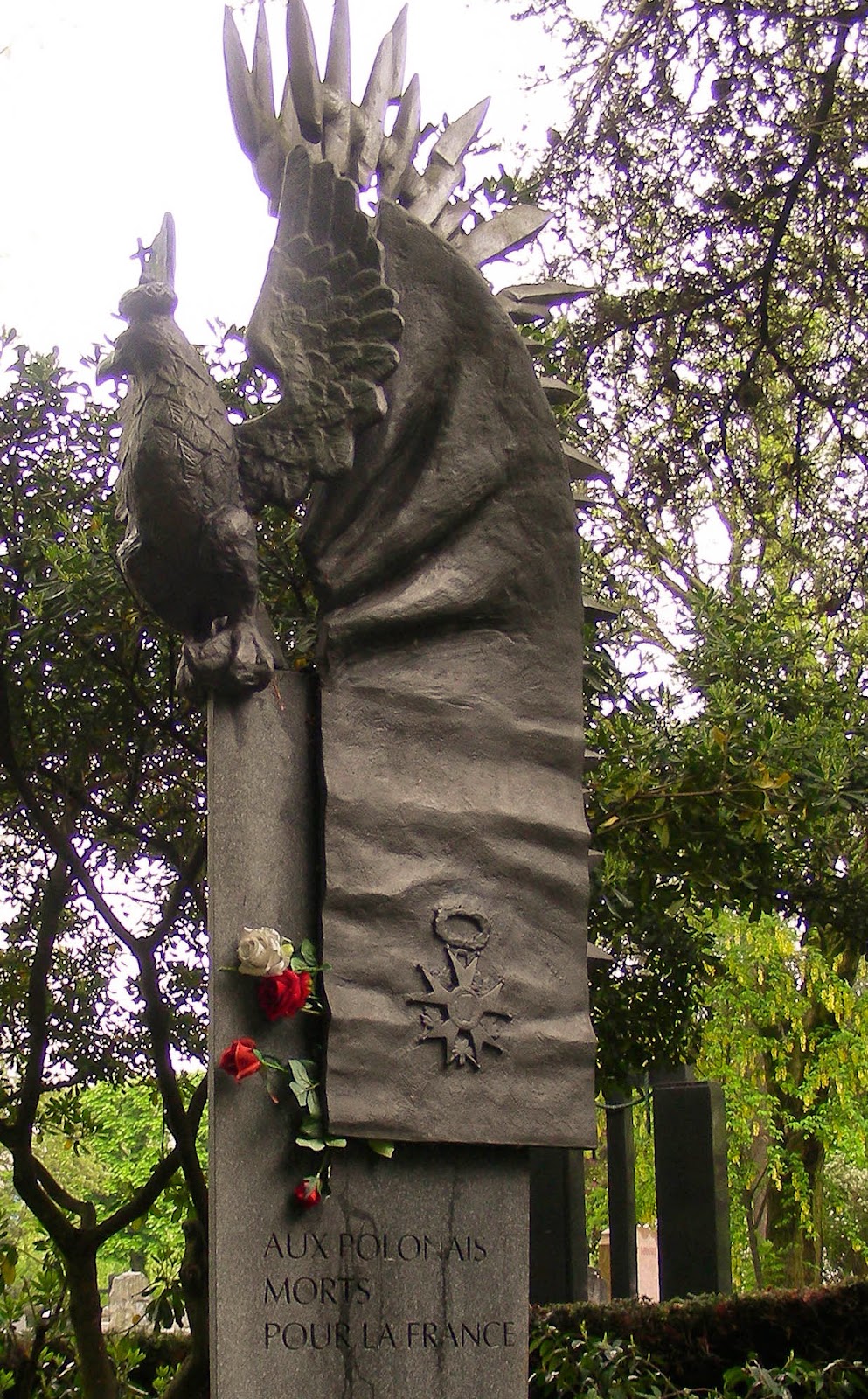

World War I memorials

The crematorium of Père Lachaise, Neo-Byzantine style - by Jean-Camille Formigé (1894)


